All Categories
Featured
Table of Contents
Dubai's production industry represents one of the most dynamic and appealing sectors in the Middle East. With its tactical location, first-rate infrastructure, business-friendly environment, and government support, Dubai continues to draw in worldwide manufacturers seeking to establish their regional operations. The emirate's commitment to innovation, sustainability, and financial diversity develops extraordinary chances for producing business throughout various sectors.
As the UAE continues to implement its Vision 2071 and Dubai's strategic plans, the manufacturing sector is positioned for continual development and expansion. Business thinking about making financial investments in the area will discover Dubai's comprehensive community of complimentary zones, services, and assistance mechanisms preferably fit for their operational needs. brings over a years of knowledge in establishing manufacturing operations across Dubai's totally free zones and mainland jurisdictions.
: Comprehensive experience with food & drink, vehicle, electronics, and pharmaceutical manufacturing setups: Thorough knowledge of JAFZA, Dubai Industrial City, Dubai South, and other manufacturing-focused zones: From initial consultation to operational launch, including licensing, banking, and compliance: Expert navigation of UAE making policies, quality standards, and ecological compliance: Strategic preparing for VAT, corporate tax, and custom-mades responsibilities to optimize your functional performance: +971 52 564 6001: Transform your manufacturing vision into reality with Dubai's leading organization setup experts. The United Arab Emirates (UAE) holds a significant position in the Arab world and ranked 27th globally1 in the United Nations Industrial Advancement Company's(UNIDO)Competitive Industrial Performance Index in 2022. Introduced in 2021, Operation 300bn intends to elevate the industrial sector's function in the UAE economy, with a target of increasing its contribution to Gross Domestic Item(GDP) from AED133 billion in 2021 to AED300 billion2 by 2031.
Emerging Strategic Shifts Shaping the 2026 GCC EconomyCharting Regional Market Strategy in 2026
Other sectors are also being increasingly stressed to advance the nation's decarbonization objectives following the 28th Conference of the Celebrations (COP28). Low-carbon innovations, such as solar PV production, are being actively pursued. 5 By targeting these sectors, the UAE aims to develop a more varied and sustainable economy, minimizing dependence on imported goods while likewise creating tasks for both nationals and residents.
As one of the world's leading 20 economies, the UAE has secured a leading position in foreign direct investment (FDI) inflows within the region. The World Financial Investment Report 2024 by the United Nations Conference on Trade and Development reported that FDI streams into the UAE reached around US$ 30.69 billion in 2023, up from US$ 22.74 billion in 2022, putting the UAE second internationally in FDI inflows.
The Advantages of Operational Excellence for 2026In 2022, the Dubai Multi Commodities Center (DMCC) welcomed 665 new companies, marking its finest very first quarter in over twenty years, with considerable registrations from China, India, the United Kingdom, Germany, and France. 7 By 2023, the DMCC's overall variety of companies exceeded 24,000.8 Likewise, the Jebel Ali Free Zone supports almost 800 manufacturing companies with customized facilities, exceptional logistics, and over 100 customized projects.
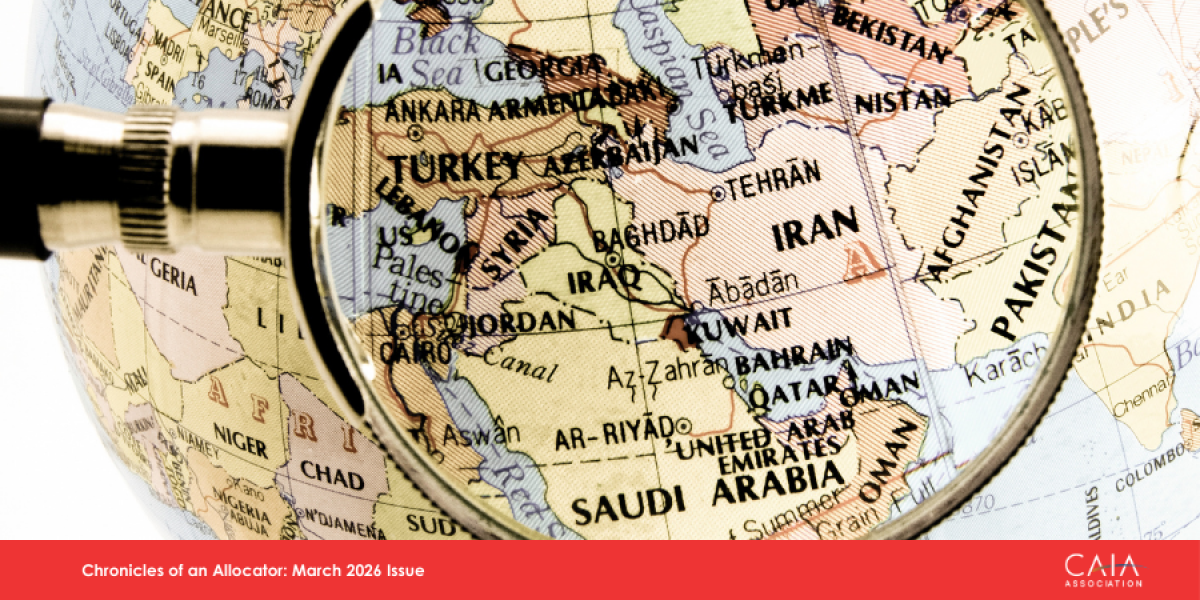
Its strategic place at the crossroads of Europe, Asia, and Africa, uses smooth connectivity to international markets, which enables effective distribution of items to a large range of clients and end-users. Further, the UAE's strong logistics and infrastructure, lack of trade sanctions, and a growing variety of open market arrangements with streamlined, duty-free access to Gulf Cooperation Council (GCC) and Middle East and North Africa (MENA) markets, make it an attractive area for establishing production bases.
Other sectors are also being increasingly emphasized to advance the nation's decarbonization goals following the 28th Conference of the Parties (COP28). Low-carbon technologies, such as solar PV production, are being actively pursued. 5 By targeting these sectors, the UAE aims to build a more varied and sustainable economy, minimizing dependence on imported items while likewise developing jobs for both nationals and locals.
Middle East News: Strategic Market Trends in 2026
As one of the world's leading 20 economies, the UAE has actually secured a leading position in foreign direct financial investment (FDI) inflows within the region. The World Investment Report 2024 by the United Nations Conference on Trade and Advancement reported that FDI streams into the UAE reached approximately US$ 30.69 billion in 2023, up from US$ 22.74 billion in 2022, putting the UAE 2nd internationally in FDI inflows.
In 2022, the Dubai Multi Commodities Center (DMCC) invited 665 brand-new companies, marking its best first quarter in over 20 years, with substantial registrations from China, India, the United Kingdom, Germany, and France. 7 By 2023, the DMCC's overall number of business went beyond 24,000.8 Likewise, the Jebel Ali Free Zone supports nearly 800 manufacturing firms with customized facilities, outstanding logistics, and over 100 personalized projects.

Its tactical location at the crossroads of Europe, Asia, and Africa, uses smooth connectivity to international markets, which makes it possible for efficient circulation of products to a vast array of consumers and end-users. Even more, the UAE's strong logistics and infrastructure, absence of trade sanctions, and a growing number of open market agreements with streamlined, duty-free access to Gulf Cooperation Council (GCC) and Middle East and North Africa (MENA) markets, make it an appealing location for establishing production bases.

Latest Posts
Navigating the Next GCC Business Landscape
A Strategic Guide to Regional Industrial Success in 2026
Optimising Corporate ROI through Advanced Market Research