All Categories
Featured
Other sectors are also being progressively highlighted to advance the country's decarbonization goals following the 28th Conference of the Parties (COP28). Low-carbon technologies, such as solar PV manufacturing, are being actively pursued. 5 By targeting these sectors, the UAE aims to build a more varied and sustainable economy, decreasing reliance on imported goods while also producing jobs for both nationals and locals.

As one of the world's leading 20 economies, the UAE has protected a leading position in foreign direct investment (FDI) inflows within the region. The World Financial Investment Report 2024 by the United Nations Conference on Trade and Advancement reported that FDI flows into the UAE reached approximately US$ 30.69 billion in 2023, up from US$ 22.74 billion in 2022, putting the UAE 2nd globally in FDI inflows.
Comparing Innovative Strategies Against Legacy BusinessIn 2022, the Dubai Multi Commodities Center (DMCC) welcomed 665 new companies, marking its best first quarter in over twenty years, with substantial registrations from China, India, the United Kingdom, Germany, and France. 7 By 2023, the DMCC's total number of companies went beyond 24,000.8 Similarly, the Jebel Ali Free Zone supports almost 800 production firms with tailored facilities, excellent logistics, and over 100 tailored projects.
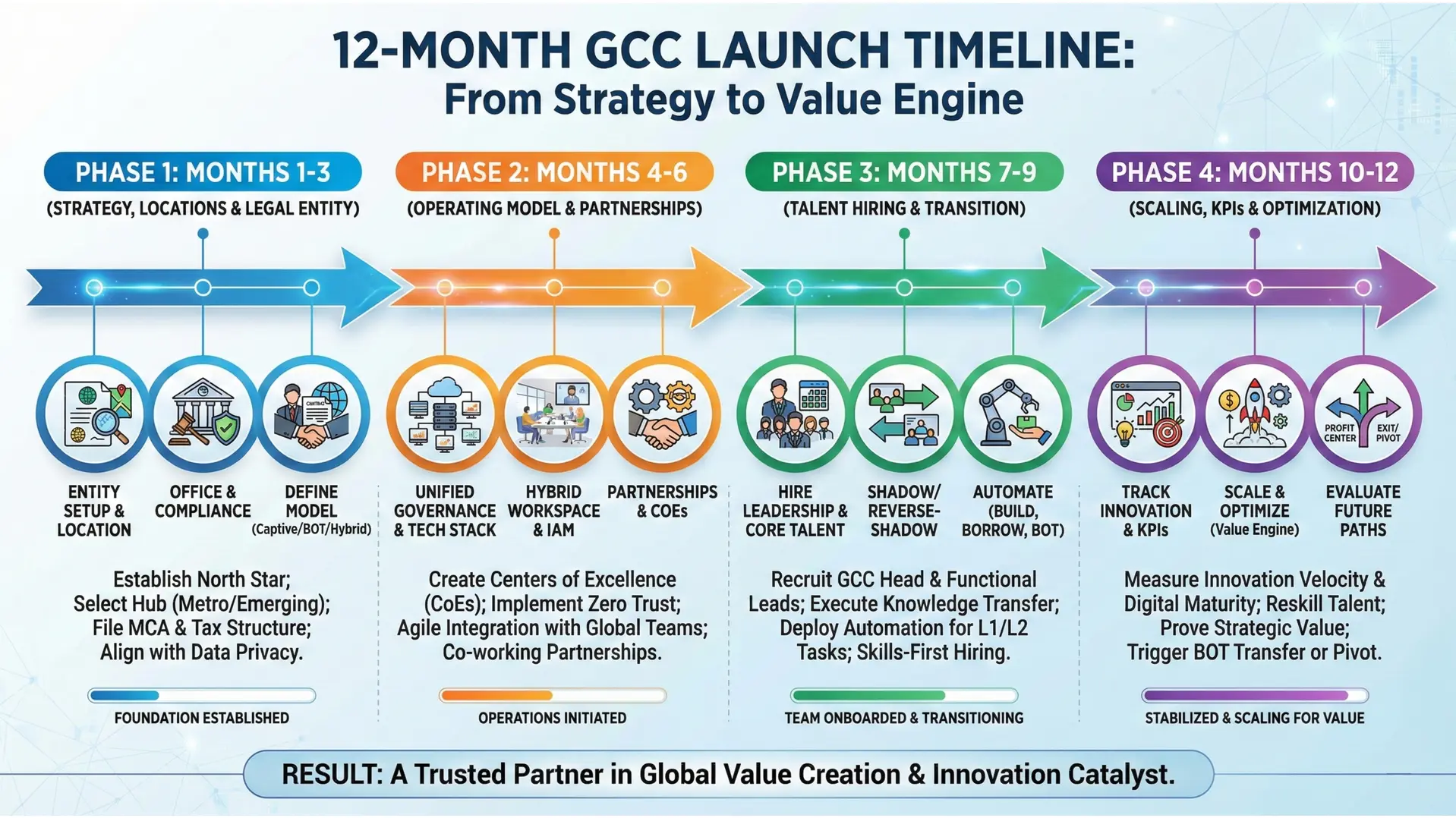
Leveraging GCC Research to Effectively Drive Operational Growth
Its strategic area at the crossroads of Europe, Asia, and Africa, provides seamless connection to global markets, which enables effective distribution of items to a large range of clients and end-users. Further, the UAE's strong logistics and facilities, lack of trade sanctions, and a growing variety of open market contracts with structured, duty-free access to Gulf Cooperation Council (GCC) and Middle East and North Africa (MENA) markets, make it an appealing area for establishing production bases.

Latest Posts
Navigating the Next GCC Business Landscape
A Strategic Guide to Regional Industrial Success in 2026
Optimising Corporate ROI through Advanced Market Research