All Categories
Featured
3.2 percent growth in 2025, speeding up to 4.5 percent in 2026. Sees momentum improving, with GCC output development predicted to increase from 1.7 percent in 2024 to 3.3 percent on average in 2025, showing a shift towards more favorable overall conditions.
The IMF's World Economic Outlook (October 2025) tasks global growth reducing to 3.1 percent in 2026, with sophisticated economies around 1.5 percent and emerging market and establishing economies just above 4 percent. On that comparison, a 4.44.5 percent GCC growth would put the area materially ahead of the world average and somewhat above (or broadly in line with) the emerging-market aggregate, enhancing the GCC's status as a fairly high-growth pocketprovided that regional danger conditions stay consisted of and reform momentum holds.
Can Market Research Define Middle East Corporate Growth?Information from the GCC Statistical Center show that non-oil sectors already account for more than 73 percent of overall GDP, a share that has continued to rise as federal governments expand investment in services, infrastructure, and innovation. According to Oxford Economics, non-energy activity throughout the GCC is projected to grow by around 4.1 percent in 2026, supported by strong labor markets, improving credit conditions, and rising investment in technology and AI-related infrastructure.
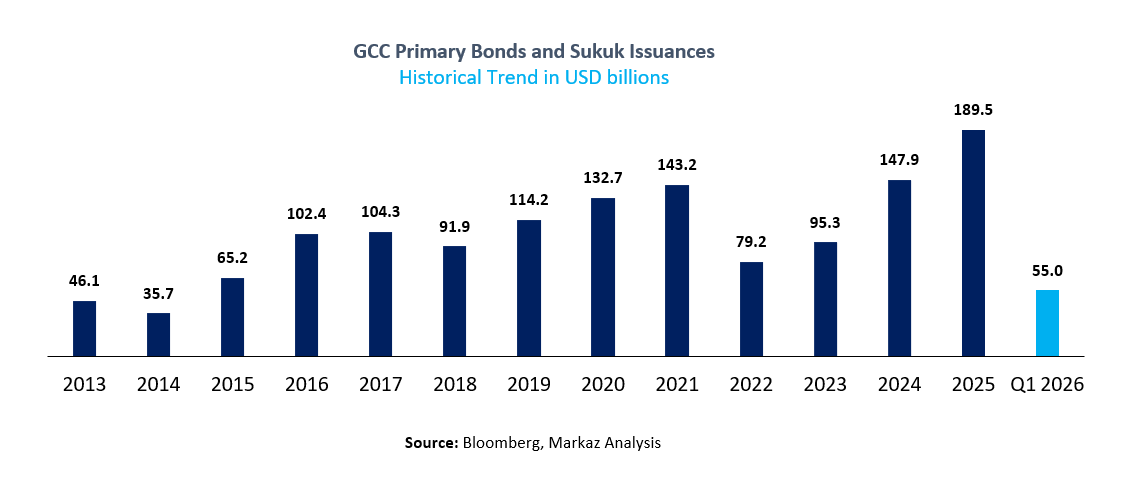
Public-sector investment and reform stay central to sustaining this trend. Policy measures targeted at bring in foreign direct financial investment, reducing foreign ownership guidelines, expanding capital markets, and supporting private-sector involvement continue to underpin non-oil growth and reduce the area's direct exposure to oil cost volatility. While hydrocarbons no longer dominate the development outlook, oil profits are expected to play an encouraging function in 2026.

Latest Posts
Navigating the Next GCC Business Landscape
A Strategic Guide to Regional Industrial Success in 2026
Optimising Corporate ROI through Advanced Market Research